
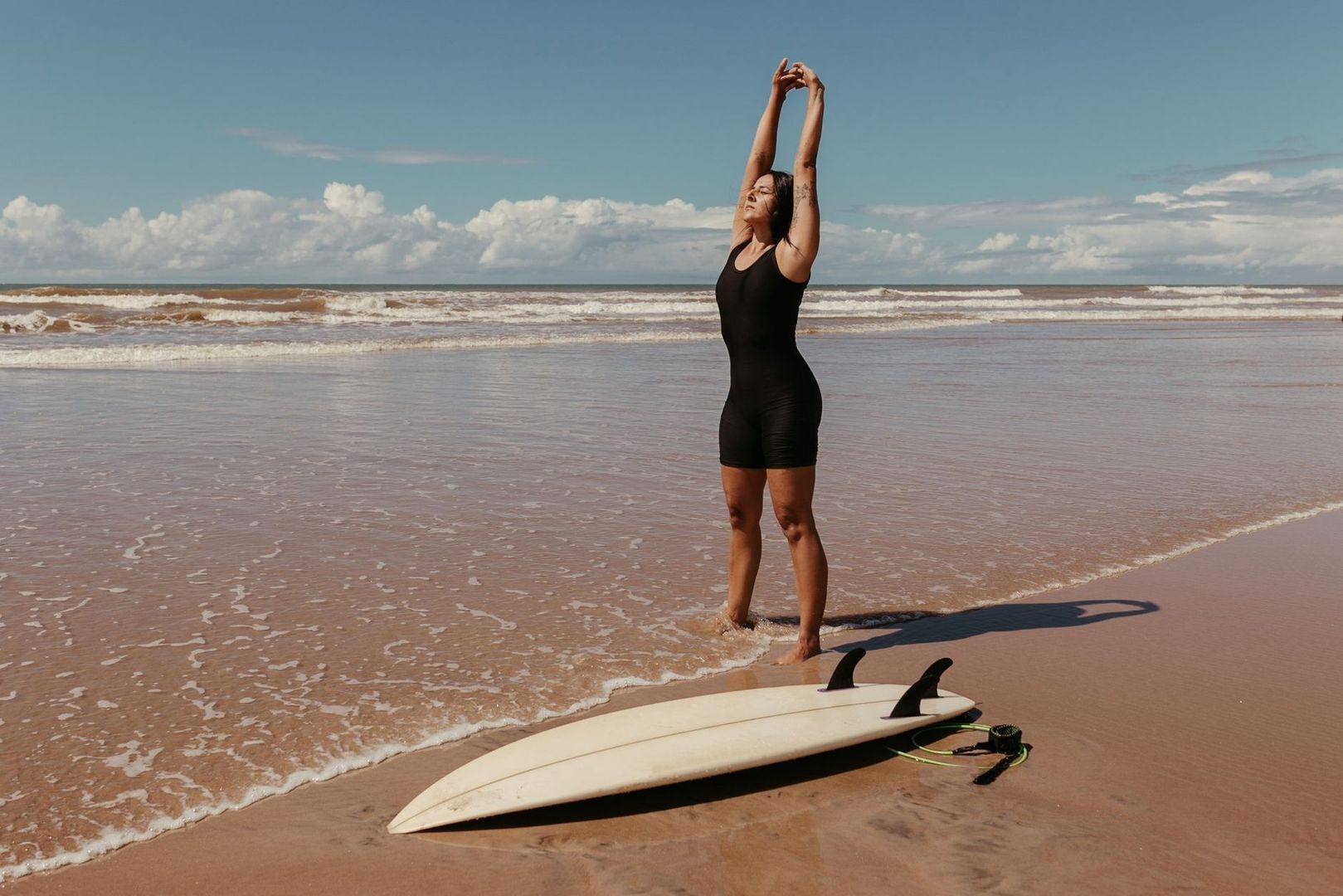
Embracing the Restorative Tide After a Day on the Water
A coastal surf getaway is designed around exhilaration: the pale light of a sunrise paddle-out, the clean acceleration of a well-shaped wave, and the satisfying fatigue that arrives after hours in salt water. Yet the same session that leaves you invigorated can also create stiffness by afternoon. Repeated paddling, forceful pop-ups, bracing against the board, and balancing through changing conditions ask a great deal from the body, particularly when several active days follow one another.
Traditional post-training routines can feel clinical against the setting of a refined seaside retreat. A hurried stretch beside a crowded gym or a recovery drink consumed without thought rarely matches the pace of an oceanfront escape. A more considered approach turns recovery into part of the holiday itself, combining sound movement principles, hydration, thermal care, nourishing food, and quiet sensory pleasures. Understanding how coastal surf excursions strain specific muscle chains allows guests to select treatments that restore mobility quickly, preserving energy for an afternoon by the pool, sunset dining, or another early session on the water.
Understanding Delayed Muscular Strain Under Coastal Conditions
Surfing distributes effort across the entire body rather than isolating one obvious muscle group. Paddling keeps the shoulders and upper back working continuously, while the forward-facing position encourages sustained flexion through the thoracic spine. The pop-up then introduces a rapid, explosive transition from prone to standing, drawing on the chest, triceps, abdominals, hip flexors, glutes, and legs. Once upright, every turn and landing requires the hips, knees, ankles, and trunk to coordinate under resistance from the moving water.
Some discomfort arrives immediately as ordinary fatigue, while delayed onset muscle soreness, commonly known as DOMS, may appear between 24 and 72 hours after a demanding session. It can be especially noticeable for newer surfers, travelers returning to the water after a long break, or experienced riders increasing their session length. Mild, symmetrical tenderness and a feeling of heaviness can be part of normal adaptation. Restrictive pain, however, deserves greater attention. Sharp sensations, persistent joint compression, marked weakness, swelling, or pain that is clearly one-sided may indicate more than routine post-exercise soreness and should be assessed by a qualified medical professional.
- Shoulders and upper back often need gentle opening after repeated paddling and board positioning.
- Thoracic spine and neck benefit from movement that counters the rounded, forward-facing posture used in the water.
- Hip flexors and quadriceps can tighten after repeated pop-ups and a low, athletic stance.
- Glutes, hamstrings, and calves absorb the demands of balance, acceleration, and landings.
- Lower back and abdominal muscles work together to stabilize the body through paddling and wave riding.
The most useful response is rarely total stillness. Easy walking, gentle mobility, sufficient sleep, and a well-timed massage can encourage comfortable movement without adding another strenuous demand. Foam rolling or targeted self-massage may be helpful when used lightly, but tenderness should not be attacked aggressively. Treat recovery as information gathering: a body that feels looser after movement is usually asking for circulation and mobility, while a body that feels worse is asking for rest and professional guidance.
Thermal Reset via Resort Hydrotherapy and Contrast Plunges
Contrast hydrotherapy brings a sense of ceremony to post-surf care while drawing on a straightforward physiological principle. Alternating warm and cold exposure causes blood vessels to widen and narrow in response to temperature. This repeated change may create a pump-like circulatory effect and can help reduce the perception of post-exercise fatigue, soreness, and swelling for some people. Research summaries on contrast bath hydrotherapy note that evidence is mixed and that cold immersion alone may offer comparable benefits for certain outcomes, so the experience should be viewed as a supportive recovery option rather than a guaranteed treatment.
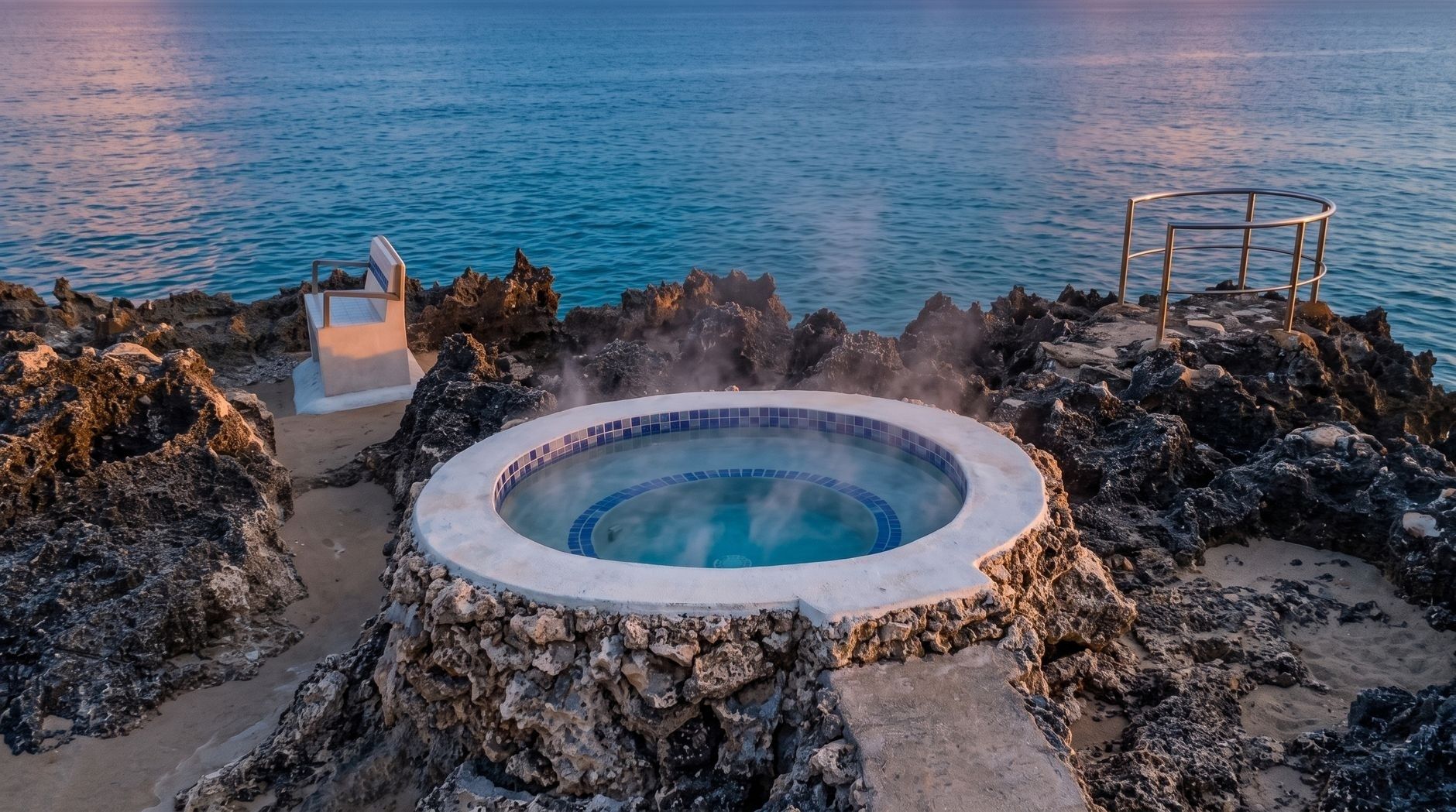
Luxury resort thermal suites make the sequence feel effortless. After rinsing away salt and sunscreen, begin with a comfortably warm sauna, steam room, or hydrotherapy pool. Warmth should relax the body rather than leave you light-headed. Follow with a brief, controlled cold plunge, then return to a warm environment before repeating the sequence. The purpose is not to endure extreme temperatures or compete with other guests. It is to leave feeling alert, comfortable, and restored, with time afterward for water, quiet seating, and an unhurried view of the sea.
| Stage | Suggested approach | Guest-focused purpose |
|---|---|---|
| Warm preparation | 1 to 3 minutes in comfortably warm water or a short steam session | Encourages relaxation and prepares the body for the transition |
| Cold exposure | About 30 to 60 seconds, adjusted to personal tolerance | Creates a brief invigorating stimulus without excessive strain |
| Recovery pause | Rest seated, breathe slowly, and drink water | Allows the nervous system and circulation to settle |
| Repeat | Two or three gentle rounds rather than prolonged extremes | Builds a measured ritual suitable after recreational activity |
Facilities differ, and resort guidance should take priority over a generic schedule. Anyone with cardiovascular disease, uncontrolled high blood pressure, a history of arrhythmia, deep vein thrombosis, open wounds, or another relevant medical condition should seek medical advice before using hot and cold immersion. Exit immediately if dizziness, chest discomfort, unusual breathlessness, numbness, or confusion develops. The most luxurious version of thermal recovery is also the most attentive: moderate temperatures, clear communication with spa staff, and enough time afterward to cool down naturally.
Complete the experience with sensory grounding rather than another source of stimulation. Sit near an open-air terrace, listen to the rhythm of the water, and allow the breath to lengthen. A warm herbal infusion, a light robe, and a shaded lounger can be as valuable as another plunge. When thermal care is paired with stillness, it becomes a bridge between the physical intensity of the ocean and the slower rhythm of the evening.
Oceanfront Mobility Movements to Restore Thoracic and Hip Flexibility
The ideal mobility sequence after surfing is gentle, spacious, and easy to perform without elaborate equipment. A private lanai, pool deck, or quiet patch of sand can provide enough room for movements that counter paddling posture and release the hips after repeated pop-ups. Keep the range comfortable and avoid forcing a stretch, particularly when muscles are still warm, tired, or tender. The aim is to restore options in the body, not to achieve an impressive depth of movement.
- Begin with diaphragmatic breathing. Lie on your back or sit tall, place one hand over the lower ribs, and take five slow breaths. Let the ribs expand in all directions to soften unnecessary tension around the neck and shoulders.
- Move through sphinx and extended child”s pose. From a prone position, support the upper body gently on the forearms for a modest thoracic opening. Then ease back toward an extended child”s pose, reaching the arms forward and allowing the spine to lengthen without strain.
- Add a low lunge variation. Step one foot forward, lower the back knee onto a towel or mat, and keep the pelvis neutral. Rather than sinking deeply, lift through the chest and breathe into the front of the back hip. Change sides slowly.
- Finish with supine spinal twists. Lie comfortably on your back, draw one knee across the body, and keep the shoulders relaxed. Hold for several calm breaths before switching sides, allowing the rotation to remain mild and supported.
Ocean ambience can make this routine feel less like an exercise appointment and more like a natural pause in the day. Match each movement to a slow exhalation, using the sound of the surf as a consistent rhythm. Gentle mobility may help reduce next-day stiffness, but it should not replace assessment when pain is persistent, asymmetric, or accompanied by joint clicking, numbness, or loss of strength. A short walk along the shoreline afterward can complete the transition from active session to restorative afternoon.
Replenishing Elemental Deficits with Sophisticated Hydration
Salt spray, bright sun, warm air, and cardiovascular effort can combine to produce fluid losses that are easy to underestimate. Even a session that feels moderate may involve sustained paddling and repeated short bursts of intense effort. Thirst is useful but not always immediate, especially when attention is focused on surf conditions. Rehydration should therefore begin soon after leaving the water, alongside a shaded pause and a meal or snack containing meaningful nutrition.
Sodium helps regulate fluid movement between the bloodstream and cells, and sweat losses include both water and electrolytes. A carefully formulated beverage can be useful after prolonged exertion or heavy sweating, but more is not automatically better. Most people obtain substantial sodium through food, and excessive intake can be unsuitable for those with high blood pressure, kidney disease, heart disease, or specific dietary restrictions. Guidance from Loma Linda University Health emphasizes moderation, noting that plain water and a balanced diet are adequate for many people.
- Still or sparkling water provides the primary fluid component.
- A modest amount of sodium can support replacement after pronounced sweating, but the drink should not taste aggressively salty.
- Potassium and magnesium may be included through mineral water, coconut water, fruit, leafy greens, or a balanced meal.
- Citrus, cucumber, mint, ginger, or unsweetened botanical infusions add freshness without relying on heavy syrups.
- Light carbohydrates can be appropriate after a long or intense session, particularly when paired with protein at the next meal.
An elevated post-surf refreshment might combine chilled mineral water, a squeeze of lime, fresh mint, and a carefully measured electrolyte blend, served alongside watermelon, yogurt, eggs, or a light seafood and grain dish. This approach offers hydration and recovery nutrition without the sticky sweetness of many commercial sports drinks. Guests with medical conditions or prescribed fluid and sodium limits should follow their clinician”s advice, while anyone showing signs of significant dehydration, confusion, fainting, or an inability to keep fluids down should seek urgent care.
Savoring the Lasting Serenity of Your Coastal Escape
Recovery becomes far more sustainable when it is treated as a cherished part of the holiday rather than an obligation between activities. A thoughtful sequence might begin with a fresh-water rinse, continue with a mineral-rich drink and light lunch, then move into gentle mobility, a massage, or a carefully supervised thermal circuit. By late afternoon, the body has been given time to settle before an easy shower, a change into comfortable clothing, and an evening of shoreline dining.
Consistent care preserves the stamina needed for back-to-back surf days while protecting the unhurried pleasures that make a coastal journey memorable. Sleep, nourishing food, hydration, mobility, and sensible spacing between demanding sessions create the foundation. With these habits woven into future seaside voyages, every paddle-out can remain invigorating, every sunset can be enjoyed without unnecessary stiffness, and recovery itself can become one of the most elegant rituals of oceanfront living.
